A Major Escalation in the Middle East
Tensions in the Middle East have taken a dramatic turn after Israel Defense Forces announced that a top Iranian naval commander was killed in a targeted strike.
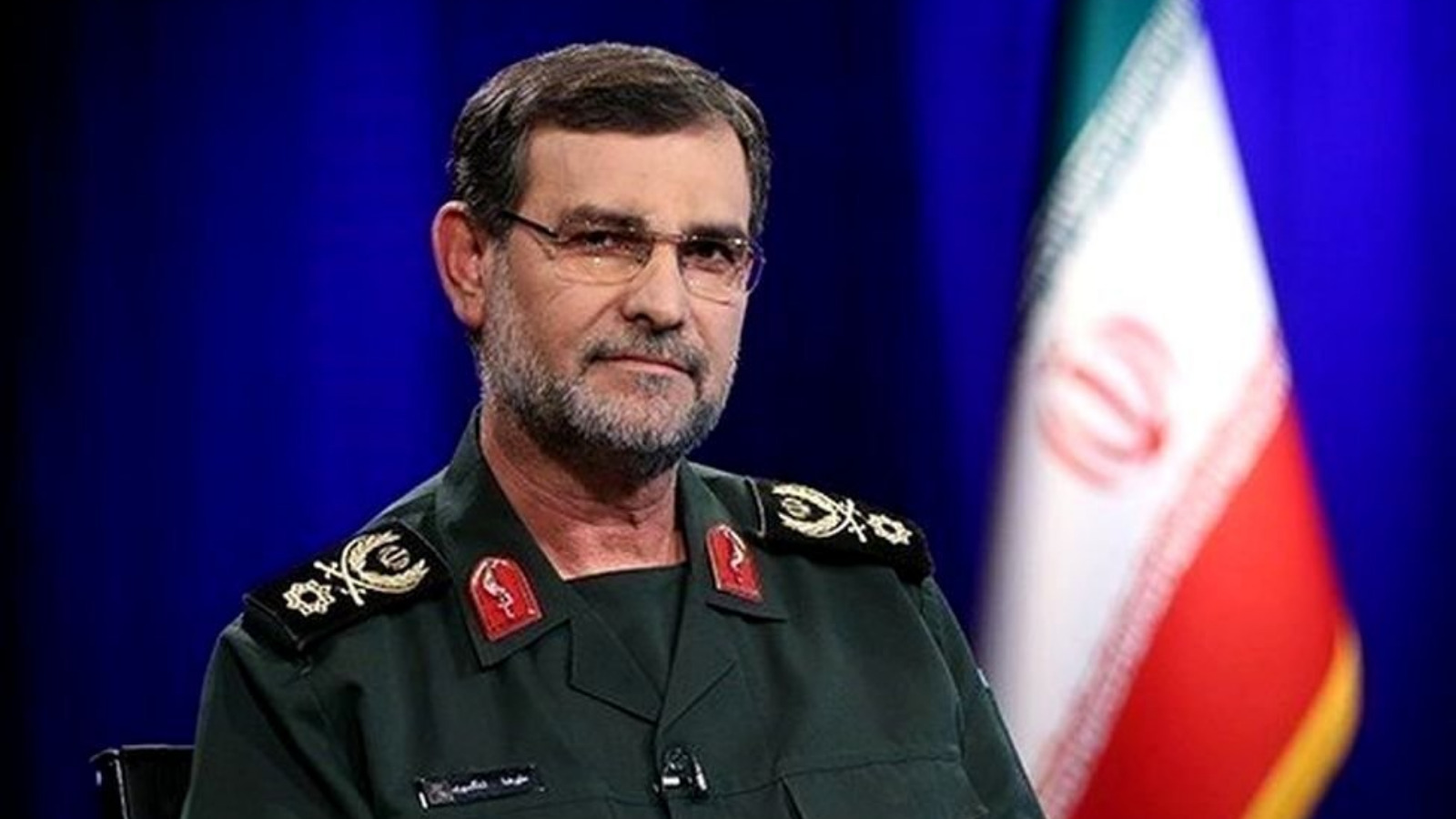
According to Israeli officials, the attack took place in Bandar Abbas, a key port city in southern Iran. The target was Alireza Tangsiri, a senior figure in Iran’s naval operations.
This development adds to an already volatile situation involving Iran, Israel, and the United States, with global attention now focused on the strategically critical Strait of Hormuz.
Who Was Alireza Tangsiri?
A Powerful Figure in Iran’s Navy
Alireza Tangsiri was one of the most influential commanders within Iran’s naval forces, particularly linked to the Islamic Revolutionary Guard Corps (IRGC).
He was believed to play a central role in Iran’s maritime strategy, especially in controlling access to the Strait of Hormuz—a vital global oil route.
Accusations Against Him
The IDF accused Tangsiri of being involved in:
- Maritime attacks across the Middle East
- Threats to global energy infrastructure
- Efforts to block or disrupt shipping in key waterways
Israel claimed he was directly responsible for actions that increased instability in the region.
What Happened in the Strike?
A “Precise Operation”
According to Israeli military statements, the strike was carefully planned and executed in Bandar Abbas.
The operation was described as “precise,” targeting Tangsiri specifically. Alongside him, Israel also claimed to have killed Behnam Rezaei, who led intelligence operations for the IRGC navy.
U.S. Confirms the Incident
The U.S. Central Command later confirmed Tangsiri’s death.
Admiral Brad Cooper stated that the operation would help make the region safer and indicated that further actions against Iranian naval forces could follow.
Iran’s Silence Raises Questions
As of now, Iran has not officially confirmed or denied the death of Tangsiri.
This silence has led to speculation about how Iran might respond—or whether it is preparing a strategic reaction behind the scenes.
Given the already tense situation, any response could have serious consequences.
Why the Strait of Hormuz Matters
A Critical Global Chokepoint
The Strait of Hormuz is one of the most important shipping routes in the world. A significant portion of global oil passes through this narrow waterway.
Any disruption here can impact:
- Global oil prices
- Energy supply chains
- International trade
Shipping Has Nearly Stopped
Recent reports suggest that shipping traffic through the strait has almost come to a halt.
This follows weeks of escalating conflict, including airstrikes and retaliatory attacks.
Iran has reportedly targeted vessels attempting to pass through the region, creating a highly dangerous environment for commercial shipping.
Rising Conflict Between Iran, Israel, and the U.S.
A Chain of Escalations
The latest strike is part of a broader conflict that has intensified since late February, when the United States and Israel launched airstrikes targeting Iranian positions.
Iran responded by:
- Attacking ships in the Strait of Hormuz
- Increasing military activity in the region
This back-and-forth has pushed tensions to a critical level.
Netanyahu Speaks Out
Israel’s Position
Benjamin Netanyahu confirmed the operation and defended the strike.
He described Tangsiri as a dangerous figure responsible for violence and disruption, including efforts to shut down the Strait of Hormuz.
Netanyahu also emphasized cooperation with the United States, calling it part of a shared effort to achieve strategic goals in the region.
A Pattern of Targeted Killings
High-Profile Iranian Figures Eliminated
This is not the first time Israel has claimed to eliminate senior Iranian officials.
Previous reports have mentioned the deaths of:
- Esmail Khatib
- Ali Larijani
- Gholamreza Soleimani
These actions suggest a broader strategy aimed at weakening Iran’s leadership and military capabilities.
What Happens Next?
Possible Scenarios
The situation remains highly unpredictable. Several outcomes are possible:
Increased Military Action
Iran could respond with further attacks, leading to a wider conflict.
Continued Targeted Strikes
Israel and its allies may continue operations against key Iranian figures.
Diplomatic Efforts
There is still a chance that international pressure could push all sides toward de-escalation.
Global Impact
Energy Markets on Edge
Any disruption in the Strait of Hormuz can send shockwaves through global markets.
Oil prices are particularly sensitive to events in this region, and prolonged instability could lead to price spikes and economic uncertainty worldwide.
A Broader Security Concern
Beyond economics, the situation raises concerns about global security.
With multiple powerful nations involved, even a small escalation could have far-reaching consequences.
Final Thoughts
The reported killing of Alireza Tangsiri marks a significant moment in an already tense conflict.
It highlights the growing risks in the Middle East and the fragile balance between military action and global stability.
As the situation continues to unfold, the world will be watching closely—not just for what happens next, but for how far this conflict might go.