Oil Prices Drop After Trump Signals War May Be Nearing an End
Global oil markets experienced a dramatic shift after President Donald Trump suggested that the ongoing conflict in the Middle East could be nearing its conclusion. His remarks sparked immediate reactions across financial markets, sending oil prices sharply lower while major US stock indexes surged.
But while investors welcomed the news, energy analysts say the situation on the ground remains far more complicated. Even if tensions begin to ease, serious disruptions to oil production and transportation could take weeks or even months to recover.
The global energy system, experts say, simply cannot restart overnight.
Markets React Quickly to Presidential Comments
Oil Prices Fall and Stocks Rise
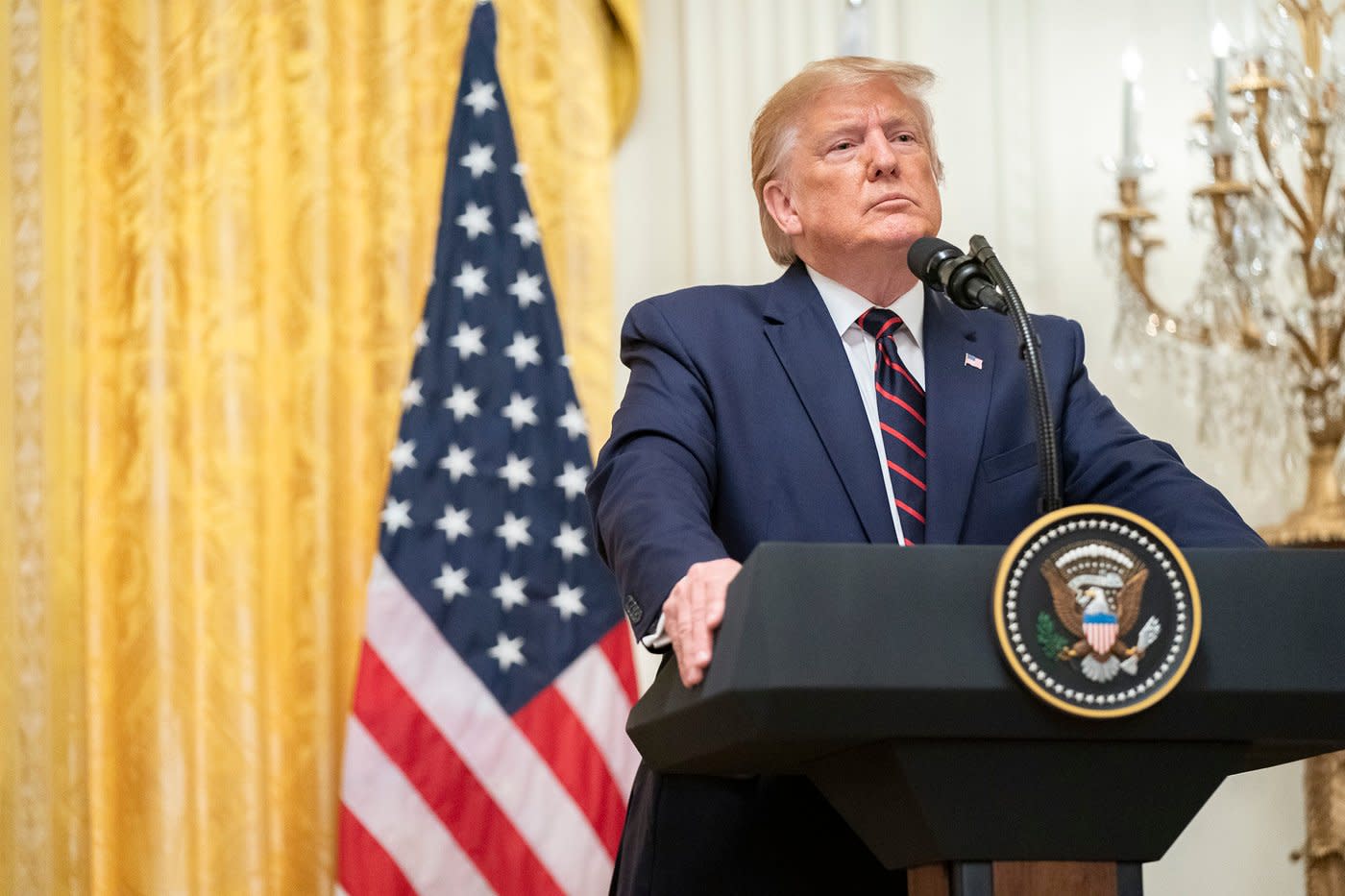
On Monday afternoon, President Trump told CBS News that he believed the war was “very complete, pretty much” and that the United States was moving “very far ahead” of the timeline he had originally expected.
Those remarks immediately influenced the financial markets.
Investors interpreted the comments as a sign that tensions in the Middle East could soon decrease, which led to a sharp drop in oil prices. At the same time, stock markets reacted positively as investors became more optimistic about global economic stability.
Before the president’s statement, oil prices had surged dramatically. International benchmark Brent crude and US benchmark West Texas Intermediate had climbed as high as 119 dollars per barrel during the height of the conflict.
But after the remarks were published, prices quickly reversed direction.
By Monday afternoon, Brent crude was trading near 81 dollars per barrel, while West Texas Intermediate dropped to around 80 dollars per barrel. That represents a decline of more than 30 percent from the recent peak.
The Strait of Hormuz Remains a Critical Problem
A Major Artery of the Global Oil Trade
Despite the market optimism, one major obstacle remains unresolved: the Strait of Hormuz.
This narrow waterway between the Persian Gulf and the Gulf of Oman is one of the most important shipping routes in the world. Roughly 20 percent of global seaborne oil flows pass through it every day.
At the moment, the strait is still not operating normally.
As long as ships cannot move freely through the region, global oil supply will remain under pressure. Analysts say that reopening the strait safely will be one of the most important signs that tensions are truly easing.
Energy strategist Kyle Rodda noted that markets are waiting for clear proof that the conflict is actually de-escalating.
Investors want to see oil shipments moving again, Gulf nations returning to normal production levels, and energy infrastructure operating safely without the risk of further attacks.
Until those conditions are met, the oil market will likely remain highly unstable.
Oil Infrastructure Across the Region Has Been Disrupted
Production Cuts and Refinery Shutdowns
The conflict has already caused significant damage to energy infrastructure across the Middle East.
Several countries have temporarily shut down major facilities as a precaution, while others have experienced direct disruptions from airstrikes and security threats.
For example, the United Arab Emirates recently announced that its large Ruwais refinery would be taken offline temporarily. This facility can process around 900,000 barrels of oil per day.
Elsewhere in the region, Bahrain shut down its Bapco Energies refinery, which is the country’s only oil processing facility.
Qatar has also declared a force majeure on shipments from its Ras Laffan liquefied natural gas export terminal, meaning it cannot guarantee deliveries due to extraordinary circumstances.
These closures are part of a growing list of disruptions that are affecting the global energy supply chain.
Millions of Barrels of Oil Production Are Offline
A Major Supply Shock
Perhaps the biggest issue facing the oil market is the large amount of production that has been temporarily halted.
Across Saudi Arabia, Iraq, Kuwait, and the United Arab Emirates, energy companies have shut in approximately 6.7 million barrels of oil production per day.
This represents roughly 6 percent of the world’s total oil supply.
These production cuts are not something that can be reversed instantly. Restarting oil wells and refineries requires careful inspections, safety checks, and logistical planning.
Energy analyst Sasha Foss explained that these systems cannot simply be switched back on.
When production is shut down or infrastructure is damaged, restoring full operations can take weeks or even months.
Tanker Traffic Faces Security Concerns
Shipping Through the Strait Remains Risky
Even if the Strait of Hormuz were to reopen tomorrow, tanker traffic would still face major obstacles.
Shipping companies need several conditions to be met before sending vessels through the region again.
These include:
Security guarantees to ensure ships will not be attacked
Insurance coverage to protect against potential damage
Fully operational ports and loading facilities across Gulf countries
Without these assurances, shipping companies may hesitate to move cargo through the strait.
Adding to the uncertainty, reports recently emerged that an oil tanker experienced an explosion near Abu Dhabi. Incidents like this reinforce concerns about safety in the region.
Rising Gasoline Prices Are a Political Concern
Fuel Costs Impact Everyday Americans
The situation in global oil markets also has direct consequences for consumers.
In the United States, gasoline prices have increased significantly over the past month. According to recent data, the national average for gasoline has risen to about 3.54 dollars per gallon.
Just one month ago, the average price was closer to 2.92 dollars per gallon.
Higher fuel costs affect transportation, shipping, and the price of everyday goods. As a result, gasoline prices often become a major political issue.
With midterm elections approaching, analysts believe the administration is likely paying close attention to how energy prices impact voters.
Mixed Messages About the Conflict
Uncertainty Continues
While President Trump’s comments suggested that the conflict may be nearing its end, other government officials have offered a more cautious outlook.
During a press briefing, the Secretary of Defense indicated that the coming days could actually see some of the most intense military activity yet.
He stated that military operations would continue until the United States achieves its strategic objectives.
These mixed signals have created additional uncertainty for investors and analysts trying to predict what will happen next.
Iran Holds Significant Influence
Control Over the Strait of Hormuz
Another key factor shaping the future of the conflict is Iran’s role in the region.
Analysts believe that Iran’s actions will play a major role in determining how quickly tensions can ease.
In particular, Iran has influence over whether shipping can safely pass through the Strait of Hormuz. If the country guarantees safe passage, global oil flows could begin to recover.
But if tensions continue, the disruption could last much longer.
Energy analyst Gregory Brew noted that many investors are already acting as if the conflict is ending, even though the situation on the ground remains uncertain.
If Iran does not move toward de-escalation, the conflict may continue regardless of market optimism.
The Oil Market Faces an Uncertain Future
Recovery Will Take Time
The sharp drop in oil prices following President Trump’s comments shows how sensitive financial markets are to political developments.
However, the physical realities of the global energy system tell a more complicated story.
Oil production facilities, refineries, and shipping networks form an enormous and complex supply chain. When disruptions occur, restoring full operations requires time, coordination, and stability.
Even if tensions ease quickly, it could still take weeks or months for production levels and shipping routes to return to normal.
For now, the global oil market remains caught between optimism in financial markets and the challenging realities on the ground.